
BLOG
Building Trust and Attachment: Navigating the Joys and Challenges of the Baby Room
 Caitlin Bray is the Nursery Manager at Grass Roots Day Nursery which is the
PVI partner for the St Edmund’s Early Years Stronger Practice Hub.
Working in the baby room is both a privilege and a responsibility. It is where the smallest children begin to form their very first relationships outside the home, and where practitioners lay foundations for trust, security, and emotional wellbeing. This reflection draws on lived practice at Grass Roots Nursery, a PVI partner for the St Edmund’s Early Years Stronger Practice Hub and explores both the joys and challenges of this unique space.
The Joys
There is something profoundly special about witnessing a baby’s first milestones and the daily rhythm of their earliest development. Through gentle routines, eye contact, and attuned responses, the baby room is where attachments are built, laying secure foundations for trust and emotional wellbeing. Care routines such as feeding, nappy changes, and sleep times are never just tasks; they are powerful opportunities for intimacy, connection, and growth. Joy is found in these moments - a smile that lights up the room, the soft giggles during peekaboo, or the fascination in their eyes as they explore a new sensory material - reminding us that learning begins long before words.
There is also joy in co-regulation. Knowing that our calm presence helps babies feel soothed and contained is deeply rewarding. When a baby settles into our arms after a period of distress, we see the power of emotional connection in action. The Nuffield Foundation “Opening the door to the Baby Room” report emphasises that these moments affirm the importance of being present, patient, and emotionally available.
Perhaps most joyful of all is the partnership with families. Being trusted to care for someone’s baby is profoundly affirming. It allows us to work hand-in-hand with parents, sharing in their child’s journey and offering reassurance that their little one is thriving in our care. The joy of celebrating milestones together—a first step, a new sound, a longer stretch of sleep—strengthens the bond between home and nursery.
And finally, there is joy in the team. Practitioners often speak of the privilege of working alongside colleagues who share the same commitment to nurturing babies. The laughter, the shared reflections, and the collective pride in the children’s progress create a sense of community that makes the baby room a truly special place to be.
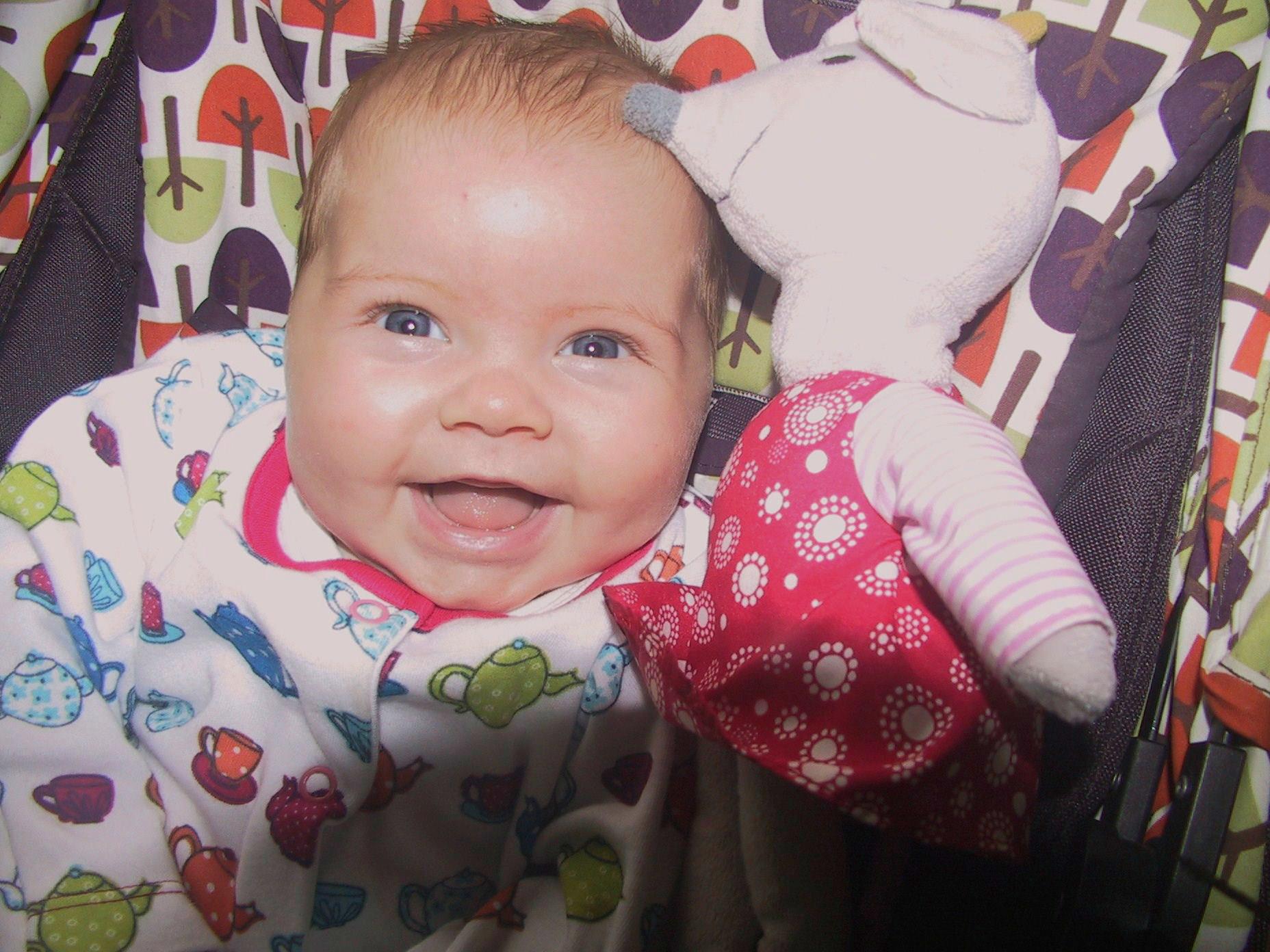
“It is amazing to see babies reach rapid milestones alongside the parents you work with. These moments are truly special as a practitioner.”
- Bradford Practitioner
The Challenges
Of course, the baby room also brings challenges that require patience, reflection, and emotional intelligence. Babies cannot tell us what they need in words, so we must learn to tune into subtle cues - a wriggle, a glance, a change in breathing. This non-verbal communication demands a deep level of attentiveness and sensitivity.
Supporting babies through distress can be emotionally demanding. It requires us to contain their feelings, to remain calm and consistent and to offer comfort even when the crying feels relentless. Transitions, too, require careful thought. Moving gently between activities or care routines takes time and intentionality, and balancing each baby’s unique rhythm with the flow of the room is a constant dance.
Getting it Right From the Start identifies that these high-quality, responsive interactions develop babies' communication and language skills, which support the cognitive and social foundations of self-regulation and cooperation.
"These challenges are not obstacles to be overcome, but invitations to reflect."
They remind us to slow down, to be present, and to consider how our tone, pace, and presence shape the atmosphere of the room.
Building Trust and Connection
At the heart of baby room practice is trust. Trust is built through consistency, predictability and respect. Narrating care routines - “I’m going to pick you up now” - helps babies feel secure. Slowing transitions and being emotionally available ensures they know they are held, both physically and emotionally. Play becomes a shared language: peekaboo, mirroring, and sensory exploration are not just fun, but vital tools for communication and connection.
The Early Years Evidence Store highlights the importance of responsive caregiving and co-regulation in supporting babies’ emotional development. These approaches are lived daily in the baby room, where practitioners’ calm presence helps babies feel safe and soothed.
Closing Reflection
The baby room is a place of profound joy and deep learning. It asks practitioners to bring patience, creativity, and emotional intelligence to every day. While the challenges are real, they are also what make the work so meaningful. In caring for babies, we are not only supporting their earliest development - we are shaping the foundations of lifelong wellbeing.
For those of us who have the privilege of working in the baby room, the joys and challenges are inseparable. Together, they create practice that is rich, purposeful, and deeply human.
This reflection comes from our lived practice at Grass Roots Nursery, where every day we see the magic of babies’ first relationships unfold.
Reference List:
Education Endowment Foundation (2025) Teaching and Modelling Managing Emotions and Feelings. Education Endowment Foundation. Available here. (Accessed: 11 December 2025).
Education Endowment Foundation (2025) Developing Self-Regulation and Executive Function. Education Endowment Foundation. Available here. (Accessed: 11 December 2025).
Sakr, M., Bonetti, S. & Halls, K. (2025) Opening the Door to the Baby Room: Learning from the Experiences and Perspectives of Baby Room Educators and Nursery Managers. Available here.(Accessed: 15 December 2025).
Department for Education (2025) Getting it right from the start: how early years practitioners work with babies and toddlers. Available here. (Accessed: 15 December 2025).
Download the pdf version of the blog here.
If you are working in early years and passionate about developing your practice, learn more about our Early Years Stronger Practice Hub offer here.